

So, you’ve got your heart set on a trip to Australia’s capital of culture but you’re not quite sure when to visit? The best time to visit Melbourne all depends on what you want to do, what type of weather you love and how much (or how little) you’re into crowds.
In this article, I’m breaking it all down for you, season by season, month by month. Having lived in Melbourne for much of my life, I’m very familiar with Melbourne’s seasons – and have lots of advice about when to visit.
Regardless of when you decide to visit Melbourne, this is one lively city with so much to do – I can guarantee you’ll never get bored here. Check out my Melbourne bucket list and you’ll see what I mean!
This blog post may contain affiliate links, meaning if you book or buy something through one of these links, I may earn a small commission (at no extra cost to you).
Best time to visit Melbourne
The best time to visit Melbourne is springtime (September – November). Temperatures are mild and pleasant. It’s the shoulder season, so prices are generally more affordable, and crowds are fewer. The city comes alive with festivals and events, so you won’t be short of things to do.
But the great thing about Melbourne is that it’s a year-round destination because of our amazing events calendar. Every week in this city there’s something happening – as you’ll see when you keep reading.
- Best time for warm weather: November to April
- Best time to avoid the crowds and save money: Any time there are no school holidays – particularly avoid the summer holidays, which is peak travel season
- Best time for the beach: January and February
- Best time for festivals and events: Year-round! Read on for a list of the best events throughout the year
But beware: no matter what time of year you visit Melbourne, our reputation for having “four seasons in one day” is indeed true!
Even in the middle of summer you need to come prepared for unexpected Melbourne weather: blistering heat followed by a rain shower and then a possible drop of 10 degrees. Yep, it happens regularly. If it does rain during your visit, check out my guide to indoor activities in Melbourne.
And remember, the best time to visit Melbourne may not be the best time to visit other parts of Australia – this is one big country with many different climates, and events and festivals.
Read on for more information about weather in Melbourne as well as the best events throughout the year.
Melbourne weather by the seasons
Melbourne has a temperate climate, with four distinct Melbourne seasons:
- Summer: December to February
- Autumn: March to May
- Winter: June to August
- Spring: September to November
I’m going to lay out what to expect of Melbourne weather each season, the pros and cons of each, and some key events to consider planning a trip around.
You can also check the Melbourne forecast and current temperature online here.
Summer in Melbourne
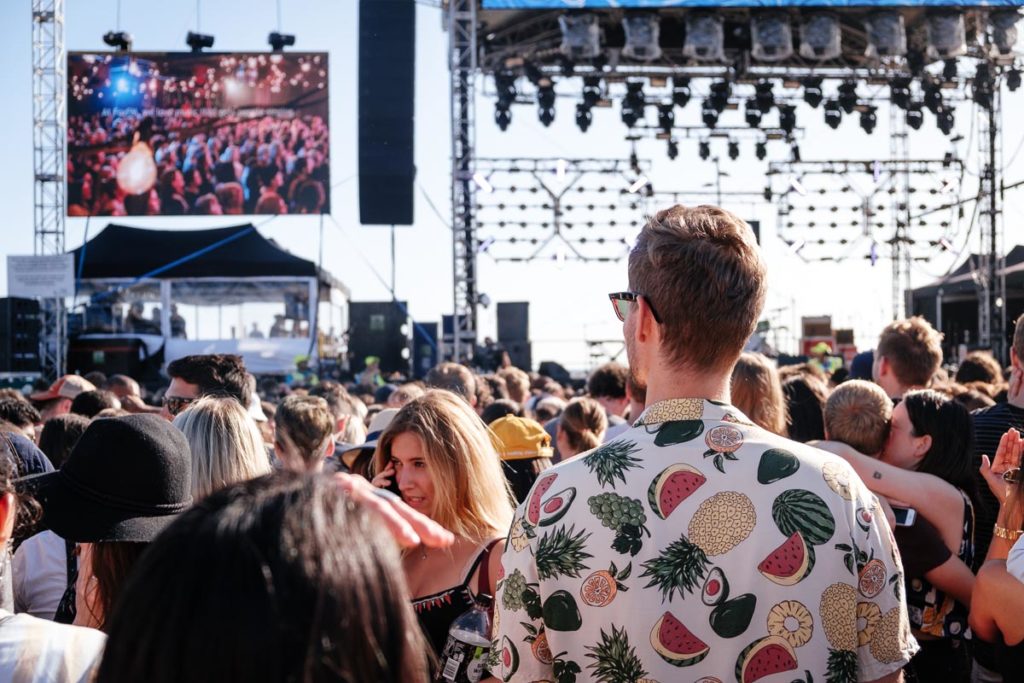
Ah, summer in Melbourne. There’s nothing quite like it. The days are heating up (sometimes a wee bit too hot), bars throw open their windows, the days are longer and there’s a palpable buzz in the city.
Despite the occasional hot spells, where temperatures can soar above 35 degrees Celsius, summer in Melbourne is generally marked by few rainy days (although, as I said already, don’t let that fool ya!).
The season is perfect for outdoor activities and beach time, thanks to the warm weather. Melbourne’s summer is packed with plenty of sporting and cultural festivals and events. The benefit of daylight savings means longer days, which means you can pack more activities into your itinerary.
However, summer in Melbourne does have a few drawbacks. The peak season brings crowds, which can lead to overcrowded attractions and a spike in hotel prices, as well as accommodations filling up quickly.
December in Melbourne
In December in Melbourne, the average temperatures range from approximately 13°C to 24.2°C (55°F to 75.6°F), marking the beginning of the warm and festive summer season. It’s the perfect time to get outdoors.
Some of the best things to do in December in Melbourne include all of the Christmas activities. Check out the famous Myer Christmas Windows or sing your heart out at Carols by Candlelight.
The weekly Queen Vic Summer Night Market is on, with lots of great food and live music. Cricket fans will head to the MCG for the Boxing Day Test.
And, of course, there’s a lot going on for New Year’s Eve.
January in Melbourne
In January, Melbourne experiences peak summer, with average temperatures typically ranging from 14.3°C to 26°C (57.7°F to 78.8°F).
The city buzzes with energy as it hosts several major events, including the famed Australian Open, alongside vibrant cultural festivals and lively outdoor activities like Midsumma Festival.
Read about more of my favourite Melbourne in January events.
February in Melbourne
February in Melbourne continues to embrace the warmth of summer, with average temperatures hovering between 14.6°C and 25.8°C (58.3°F to 78.4°F).
School is back, which means there’s fewer tourists, but there are still plenty of things to do in February like Laneway Festival and St Kilda Festival. Australian labels show off their latest designs at the Melbourne Fashion Festival.
Cultural events include Lunar New Year and the Lonsdale Street Greek Festival – Melbourne’s biggest Greek street party.
What to pack for summer in Melbourne
- Sunscreen
- A hat
- Reusable water bottle
- Sunglasses
Pro tip: Book your accommodation well in advance in summer to avoid high prices and rooms filling up
Autumn in Melbourne
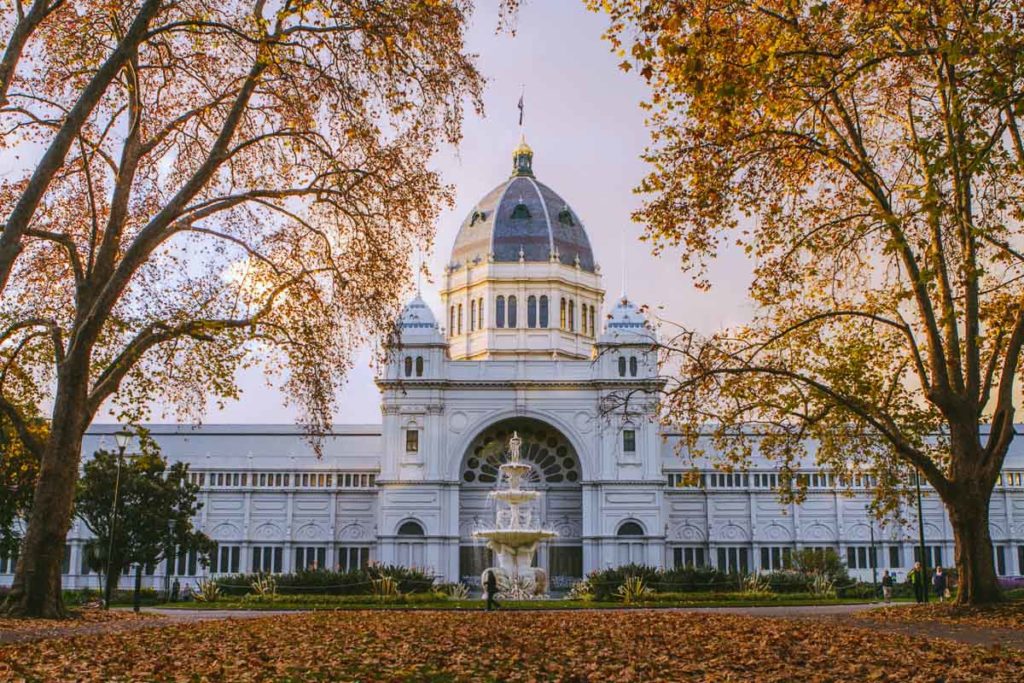
Autumn (or Fall for you North Americans) is a great time to visit Melbourne. The days get cooler and the leaves begin to change colour. It’s the shoulder season, so there are fewer crowds – but still some fantastic events to keep Melburnians and visitors entertained.
In March and April, temperatures hover between 12 and 24 degrees (54 to 75 Fahrenheit). May is significantly cooler, with an average temperature of 14 degrees (57 Fahrenheit). May is also the month with the highest rainfall, so expect several showers.
While the weather is cooler in autumn in Melbourne, it’s still warm enough to enjoy the city’s beautiful outdoors. There are fewer crowds, which comes with the added benefit of lower prices for both hotels and airfares. The city is especially beautiful in autumn, as the foliage turns into vibrant hues.
March in Melbourne
As autumn begins, Melbourne experiences milder weather with average temperatures ranging from 13.2°C to 23.9°C (55.8°F to 75°F).
There are tonnes of Melbourne events in March. The city hosts the Melbourne Grand Prix, so be aware that weekend is very busy. There’s family-friendly Moomba and gastronomy galore at the Melbourne Food and Wine Festival. Coffee connoisseurs visit the Melbourne International Coffee Expo, and the best Aussie and international comedians will have you laughing your socks off during the Melbourne International Comedy Festival.
April in Melbourne
With temperatures averaging 10.8°C to 20.3°C (51.4°F to 68.5°F), April sees the city in full autumnal charm.
It’s a great time for exploring the arts and culture scene, including the Melbourne International Comedy Festival. Taste the creations of incredible breweries and talented distillers at GABS Festival (Great Australian Beer “Spectapular”).
Pay your respects at the moving ANZAC Day dawn service.
May in Melbourne
In May, it’s clear that winter is coming our way, as temperatures cool right down to between 8.7°C and 16.7°C (47.7°F to 62°F).
It’s a bit quieter around the city, but there are still plenty of things to do in May in Melbourne, including the Melbourne Writers Festival and the Good Food and Wine Show.
What to pack for autumn in Melbourne
- Scarf
- Light, packable raincoat
- Umbrella
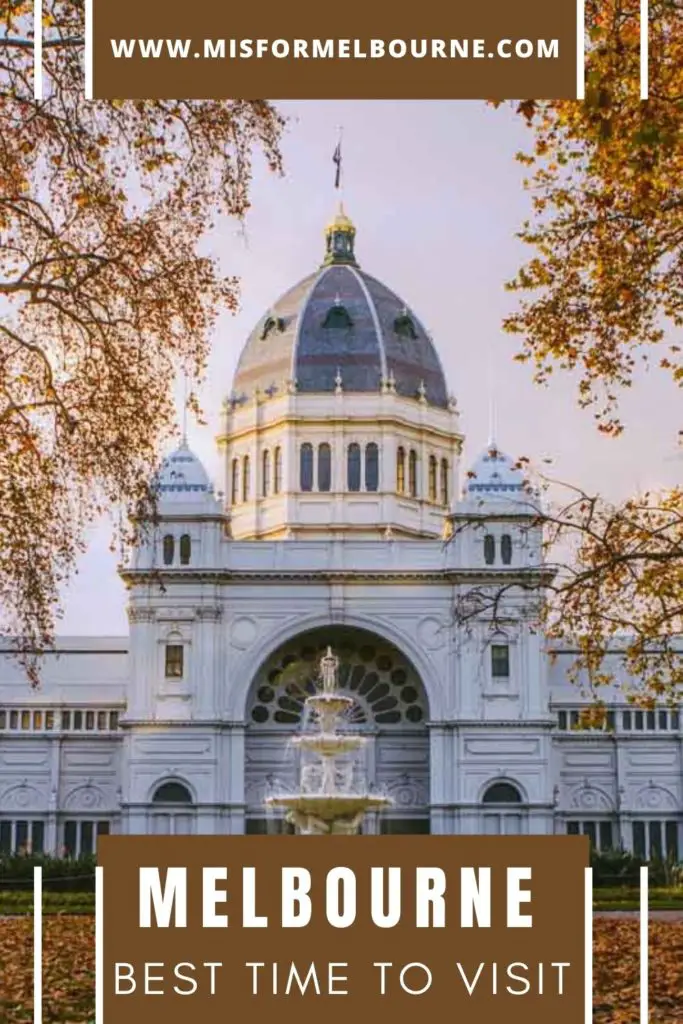
Pro tip: Wander through the Royal Botanic Gardens to see the leaves changing to golden hues. The Royal Exhibition Building at the Carlton Gardens is another beautiful spot.
Winter in Melbourne
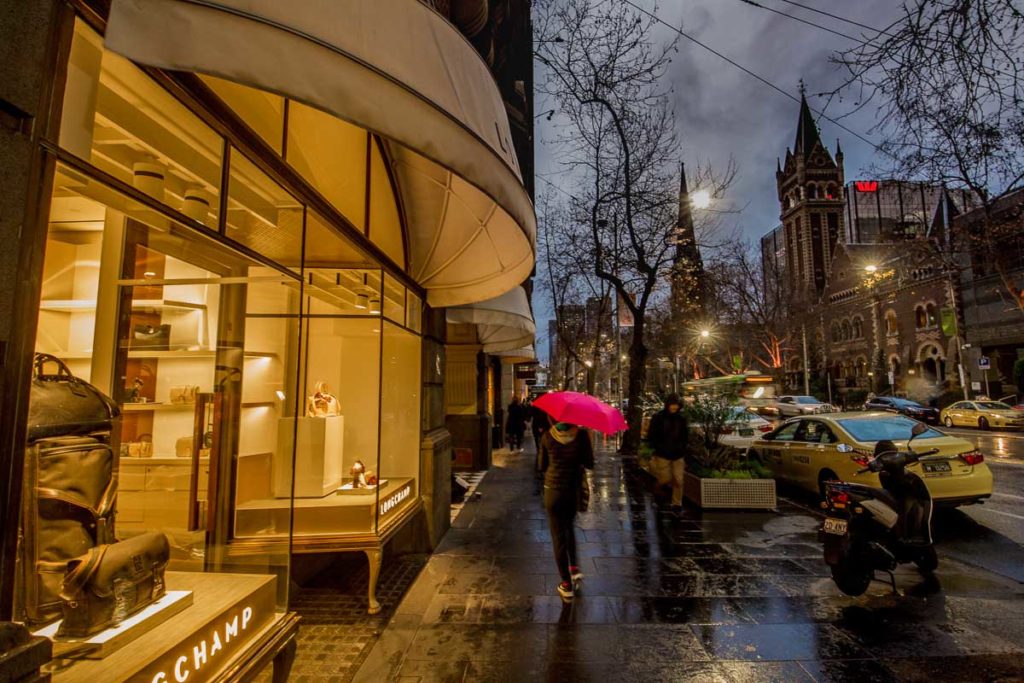
The weather is cooling down significantly (although rarely to the point of snow), everyone’s rugged up in their cold weather gear and people are slipping into cosy bars and restaurants. Or getting spooked on a ghostly tour of Melbourne.
In winter in Melbourne, expect temperatures of between 6 and 15 degrees (43 to 59 Fahrenheit). Melbourne weather in June is fairly mild, with the lowest rainfall of the whole year. The average temperature in July (the coldest month of the year) is around 10 degrees (50 Fahrenheit) and it rains around half of each month.
Visiting Melbourne in winter means fewer crowds and ample hotel availability, with significantly reduced prices for both accommodations and airfares. Despite the chilly weather, Melbourne remains vibrant and active, with plenty of indoor and outdoor activities – we Melburnians don’t hibernate!
However, like winter in most cities, be prepared for the cold temperatures that winter brings, often accompanied by rainy and dreary conditions.
June in Melbourne
With winter temperatures ranging from 6.9°C to 14.1°C (44.4°F to 57.4°F), June in Melbourne is a time for enjoying the city’s rich café culture and vibrant indoor events, including food, culture and music festivals.
RISING festival is a stunning array of performances, art and music that can’t be missed. The weekly Winter Night Market at Queen Vic Market also kicks off, with plenty of food, warm drinks and entertainment.
July in Melbourne
The coldest month, July sees temperatures between 6°C and 13.5°C (42.8°F to 56.3°F). This is a great month for staying indoors and experiencing Melbourne’s renowned food and coffee scene.
In July in Melbourne, some of the great events on include Open House Melbourne, where you can take a peek inside some of Melbourne’s most prestigious buildings.
August in Melbourne
As winter begins to fade, temperatures in August range from 6.7°C to 15°C (44.1°F to 59°F).
The city slowly awakens with a still-active arts and cultural scene. Events in August in Melbourne include the Melbourne International Film Festival, Australia’s leading film festival.
Don’t miss the weekly Winter Night Market at Queen Vic Market.
What to pack for winter in Melbourne
- Umbrella
- Waterproof down jacket
- Gumboots / rainboots
- Thick scarf and gloves
Pro tip: Expect cold weather! Don’t expect to do much outdoors, and plan to spend your days wandering through galleries and museums, and enjoying our fabulous restaurant and bar scene.
Spring in Melbourne
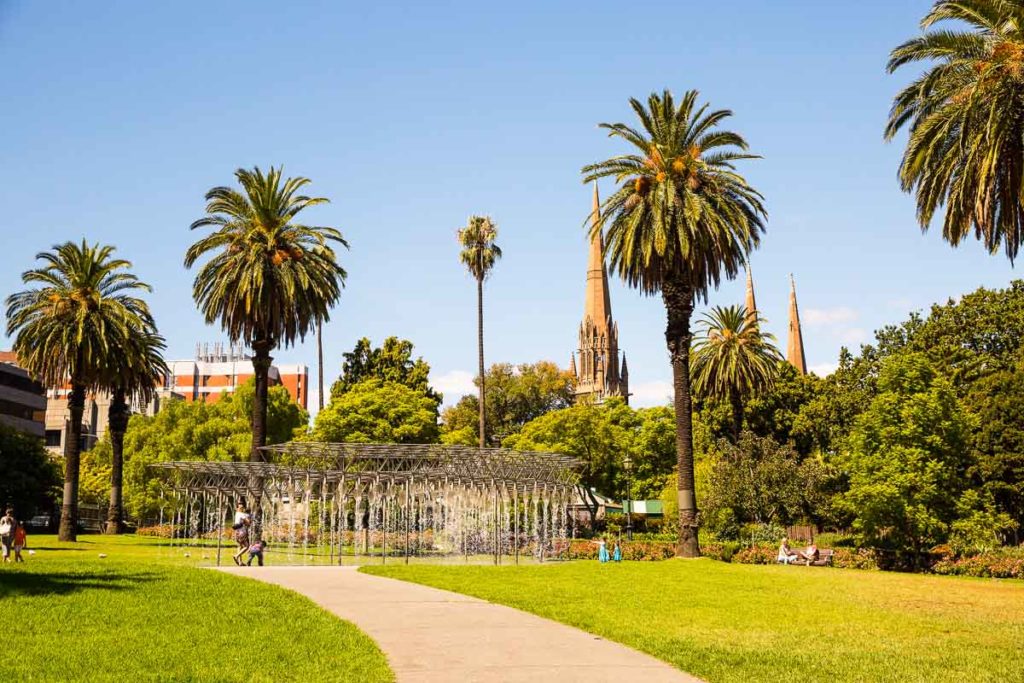
A Melbourne spring is usually glorious: the weather is warming up and the days are sunnier. D daylight saving time starts in October so the days are longer and you can pack more in to your visit to Melbourne.
September has the tail end of winter weather, with temperatures between 9 and 17 degrees (48 to 63 Fahrenheit). It warms up in October and November, with average temperatures around 15 to 17 degrees (59 to 63 Fahrenheit). October has the second-highest rainfall of the year.
Spring is a great time for a walking tour in Melbourne or a picnic. These Mystery Picnic Dates are a lovely way to spend a day with your significant other or a group of friends. (Read my full Mystery Picnic Melbourne review.)
September in Melbourne
Spring arrives with temperatures between 8°C and 17.3°C (46.4°F to 63.1°F). This month is famous for the AFL Grand Final and the blooming of gardens and parks, making it a picturesque time to explore the city’s outdoor spaces.
September in Melbourne brings events like the Royal Melbourne Show – fun for the whole family, but especially the little ones who enjoy the rides, show bags and patting cute animals.
The Melbourne Fringe Festival also kicks off, showcasing every kind of art form imaginable.
Pro tip: Find some local friends and wrangle an invite to a Grand Final party if you’re in Melbourne when it’s on!
October in Melbourne
With average temperatures of 9.6°C to 19.7°C (49.3°F to 67.5°F), October has a pleasant spring climate perfect for outdoor festivals, garden tours and exploring the city’s different neighbourhoods.
Events in October in Melbourne include the Melbourne International Jazz Festival, with venues across Melbourne coming alive with the sounds and spirit of jazz music. It’s also the culmination of the Melbourne Fringe Festival.
The city also celebrates the best in Australian fashion at Melbourne Fashion Week.
November in Melbourne
As summer approaches, temperatures range from 11.2°C to 22°C (52.2°F to 71.6°F). This is a great month to visit, before the holiday crowds descend and with plenty of cultural and food festivals to experience.
The best things to do in November in Melbourne are enjoying all the great food and live music at the weekly Queen Vic Market Summer Night Market.
The Melbourne Queer Film Festival showcases contemporary queer cinema from Australia and overseas.
And for those who like to dress up, the Melbourne Cup Carnival is the place to be seen.
What to pack for spring in Melbourne
- Light jacket / windbreaker
- Packable raincoat
- Umbrella
Victorian public holidays and school holidays
When planning a trip to Melbourne, keep in mind upcoming public holidays and school breaks. During these periods, hotels may be booked out in advance and you can usually expect crowds. Read more tips to save money in Melbourne.
Victorian public holidays 2026
| New Year’s Day | Thursday 1 January |
| Australia Day / Invasion Day | Monday 26 January |
| Labour Day | Monday 9 March |
| Good Friday | Friday 3 April |
| Saturday before Easter Sunday | Saturday 4 April |
| Easter Sunday | Sunday 5 April |
| Easter Monday | Monday 6 April |
| ANZAC Day | Saturday 25 April |
| King’s Birthday | Monday 8 June |
| Friday before the AFL Grand Final | Friday 25 September |
| Melbourne Cup | Tuesday 3 November |
| Christmas Day | Friday 25 December |
| Boxing Day | Monday 28 December (given Boxing Day falls on a Saturday) |
Victorian school holidays 2026
| Term | Starts | Finishes |
| Term 1 holidays (Autumn) | 3 April | 19 April |
| Term 2 holidays (Winter) | 27 June | 12 July |
| Term 3 holidays (Spring) | 19 September | 4 October |
| Term 4 holidays (Summer) | 19 December | 26 Jan 2027 |
Victorian public holidays 2027
| New Year’s Day | Friday 1 January |
| Australia Day / Invasion Day | Tuesday 26 January |
| Labour Day | Monday 8 March |
| Good Friday | Friday 26 March |
| Saturday before Easter Sunday | Saturday 27 March |
| Easter Sunday | Sunday 28 March |
| Easter Monday | Monday 29 March |
| ANZAC Day | Sunday 25 April |
| King’s Birthday | Monday 14 June |
| Friday before the AFL Grand Final | Friday 24 September |
| Melbourne Cup | Tuesday 2 November |
| Christmas Day | Saturday 25 December (with the public holiday on Monday 27 December) |
| Boxing Day | Sunday 26 December (with the public holiday on Tuesday 28 December) |
Victorian school holidays 2027
| Term | Starts | Finishes |
| Term 1 holidays (Autumn) | 26 March | 11 April |
| Term 2 holidays (Winter) | 26 June | 11 July |
| Term 3 holidays (Spring) | 18 September | 3 October |
| Term 4 holidays (Summer) | 18 December | 26 Jan 2028 |
Final thoughts: Best time to visit Melbourne
There’s really no bad time to visit Melbourne – there’s always something fantastic going on in every season in Melbourne and every month. And even in the colder months, there’s still activities to take advantage of the cosy indoors.
So, now that you know when to visit Melbourne, come and visit us!
Found this article useful? Consider buying me a coffee as a way to say thanks!
Is there anything else you want to know about planning your trip around the best time to visit Melbourne? Drop me your questions or comments below!
Related posts
Before you go… you might like these other Melbourne articles:
- The absolute best things to do in Melbourne (from a local)
- What to do indoors in Melbourne when it’s raining outside
- How to spend 3 days in Melbourne
- What to do with a weekend in Melbourne – 2 days in 4 ways
- The best Melbourne restaurants for your visit
Best Melbourne resources
- Check out my Melbourne travel guide for everything you need to know about planning a trip to Melbourne
- Look for flights to Melbourne on Skyscanner.
- Book accommodation on Booking.com or Expedia for your Melbourne trip. The Ovolo Laneways Hotel is a good choice in the CBD.
- You won’t really need a car in Melbourne, but if you do want to get out of the city, then rent a car through DiscoverCars.
- Pick up a copy of the Lonely Planet Pocket Melbourne to help plan your trip.
PIN IT FOR LATER
Save this guide to the best time to visit Melbourne to Pinterest so you can plan your trip later.
Hi, may I know which month will have the nice weather with lesser rainfall and nice look of environmental view?